

The Economic History of Malawi
Malawi is often introduced by its nickname — the Warm Heart of Africa — and by its poverty statistics. Both are true, but neither explains much on its own. To understand why one of the friendliest countries on earth is also one of the most economically stricken, you have to follow the money back more than a century, through colonial cash crops, a president-for-life, a tobacco boom, and a long series of shocks that the country is still working its way out of.
Before the Borders
Long before Malawi existed as a country, the region was a crossroads. The Maravi Confederacy, from which Malawi takes its name, rose in the 1500s and traded ivory and iron across a network that stretched to the Indian Ocean coast. Farming communities around Lake Malawi grew sorghum and millet, fished the lake, and traded with Swahili and Portuguese merchants. In the 1800s that same trade network turned darker, as the region became a major corridor of the East African slave trade — the horror that first drew David Livingstone, and later British missionaries and traders, to the lake.
The Colonial Economy: Tea, Tobacco, and Departure
In 1891 the territory became a British Protectorate, eventually named Nyasaland. The colonial economy was built around estate agriculture: European settlers established plantations of tea, coffee, and tobacco in the Shire Highlands, worked by African labor. Nyasaland had no significant minerals, so unlike its neighbors it never attracted heavy investment. Roads and railways were built to move crops, not people.
The colonial period fixed two patterns that still shape Malawi's economy today. First, dependence on rain-fed export crops — a good harvest meant a good year, a drought meant crisis. Second, labor migration: with little paid work at home, hundreds of thousands of Malawian men left to work the mines of South Africa and the Rhodesias. For decades, Nyasaland's most valuable export was its own people.
Independence and the Banda Years
Malawi became independent on July 6, 1964, under Hastings Kamuzu Banda, who would rule for thirty years. Banda's economic strategy doubled down on estate agriculture, especially burley tobacco, and for a while it worked: through the 1960s and 70s Malawi posted some of the stronger growth rates in the region, and the new capital at Lilongwe rose out of farmland.
But the growth was narrow. It flowed to large estates rather than the smallholder farmers who made up most of the population, and it was financed with borrowed money. When oil prices spiked, tobacco prices slumped, and war in neighboring Mozambique cut off Malawi's rail routes to the sea in the early 1980s, the model buckled. Malawi turned to the World Bank and the IMF, beginning decades of structural adjustment programs — loans in exchange for reforms — with mixed results for the typical Malawian family.
The Democratic Era: Reform and Shock
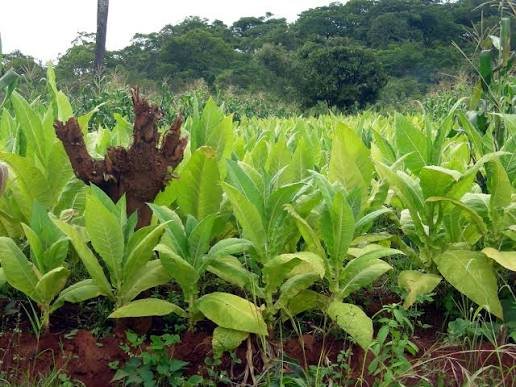
Democracy arrived in 1994, and with it came real gains: smallholders won the right to grow and sell tobacco themselves, and tobacco became — and remains — the country's leading export at 540 million USD. A fertilizer subsidy program launched in 2005 helped turn maize deficits into surpluses in good years, and Malawi has made major strides in health and education.
Yet the underlying vulnerability never went away. Roughly three quarters of the workforce depends on agriculture, most of it rain-fed, so droughts and floods hit the whole economy at once. Add a small industrial base, a landlocked position with high transport costs, and recurring shortages of foreign currency, and growth has struggled to outpace one of the fastest-growing populations in the world.
Where Malawi stands today
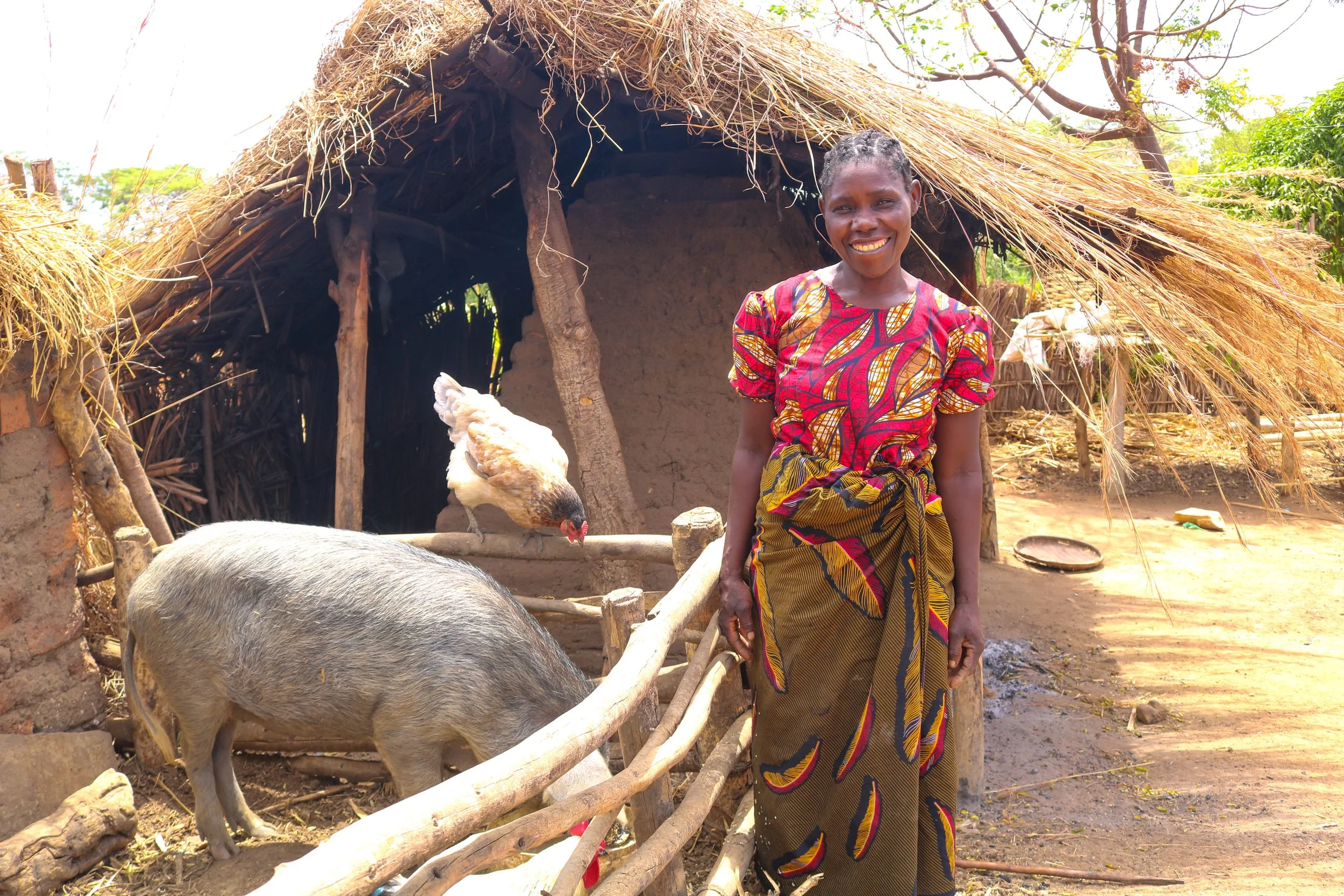
The present is difficult but not hopeless. Inflation has been running near 30 percent, the kwacha has weakened sharply over the past decade, and about half the population lives below the international poverty line of $3.00 a day. In the US, the poverty line is almost 15 times higher, at $43.74 a day. At the same time, growth is recovering, new mining projects and tourism are bringing in foreign earnings, and the government's Malawi 2063 vision aims to build an industrialized, self-reliant economy within a generation.
History suggests the way forward runs through the same fields where Malawi's economy began: agriculture. When smallholder farmers can grow more food with better methods, keep their soil healthy, and earn income beyond a single rain-fed harvest, the whole economy becomes more resilient. And of course, the hopeful and warm demeanor of Malawi’s people brings optimism even further. That is exactly where Orant Charities works — alongside rural Malawian communities on agriculture, clean water, and healthcare — because the next chapter of Malawi's history will be written in its farms, clinics, and ultimately, the entire economy. And of course, the hopeful and warm demeanor of Malawi’s people brings optimism to the next chapter.
If you want to learn more about the people of Malawi and what Orant Charities is doing to come alongside, subscribe to our free monthly newsletter.
