

Five Things You Didn't Know About Rural Malawi
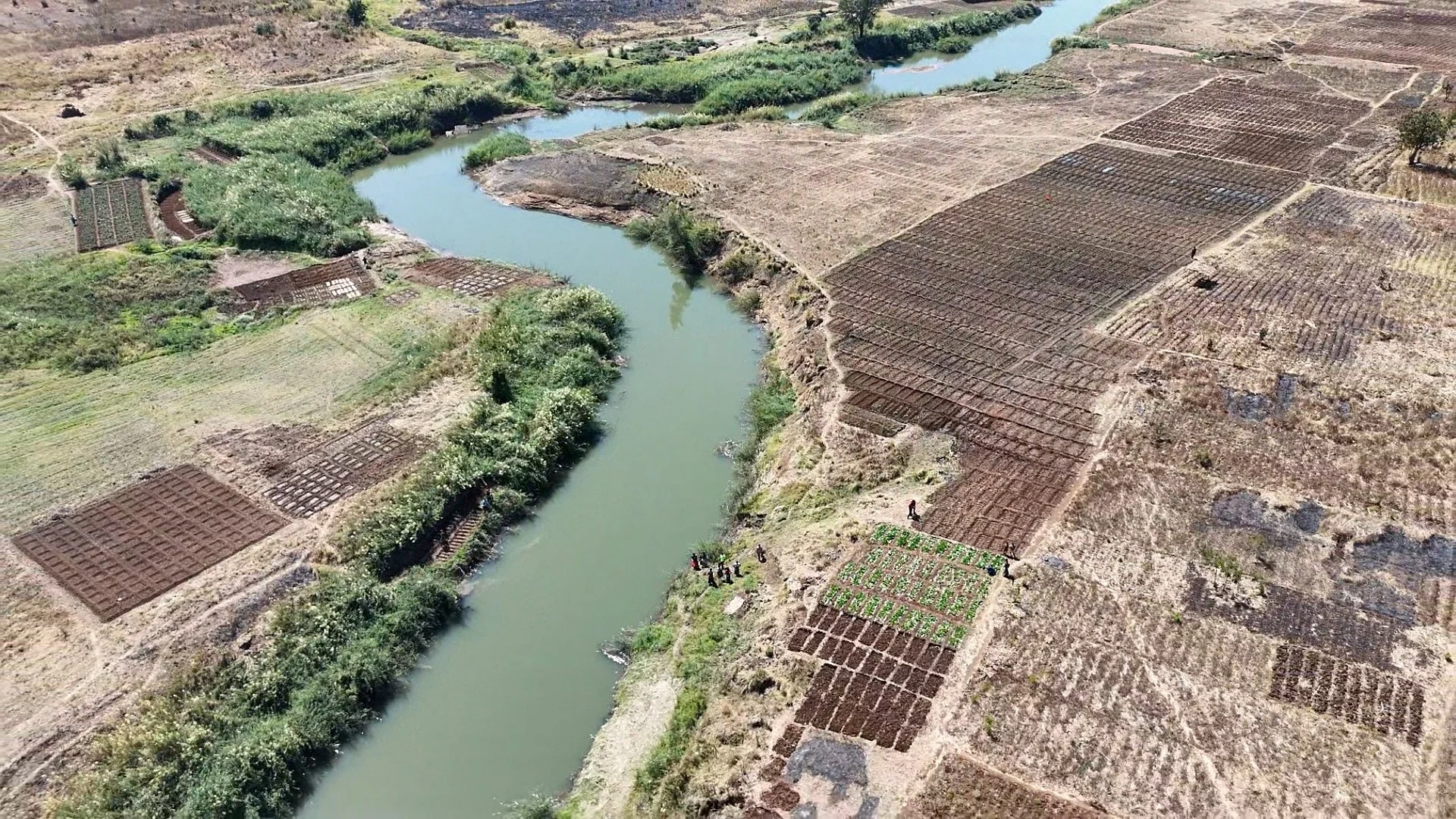
84% of Malawi's population lives in rural areas. Rural Malawi is more than dirt roads, villages and farms. It's a place of culture, changing seasons, languages, music and communities that have adapted to the land for generations. For many people, rural life isn't just where they live. It's a way of life shaped by community and tradition. It's easy to develop misconceptions when looking at statistics about poverty or development. Those numbers give us information, but they don't tell the full story. There is more to Malawi — details found in everyday life that make the country unique. Here are five things you may not know about rural Malawi.
1. Rural life is anything but simple
Malawi is one of the smaller countries in Africa, but it is home to a population of more than 20 million people. Despite the country's rural character, communities are closely connected. Farms, schools, churches and markets often exist within the same area. Rural is not a synonym for isolated.
Agriculture is a big part of rural life, providing food and income for millions of people. Families also find other ways to earn income, from small businesses and trading to other forms of employment.
For Orant, communities are more than recipients of assistance. People are already working to find ways to support their families.
Orant has a business development program that began as a microloan program for women and now includes entrepreneurship education, helping Malawians jumpstart their businesses.
2. Malawi is home to many different cultures
Malawi is home to several cultural groups, including the Chewa, Yao, Tumbuka, Lomwe, Ngoni, Sena and Tonga, each holding their own traditions, history and way of life.
The Chewa practice Gule Wamkulu, a masked initiation dance. Elaborate masks and costumes are worn to represent different characters and spirits, each having specific ceremonial and cultural meaning. This tradition dates back centuries and remains an integral part of Chewa life. In 2008, UNESCO recognized Gule Wamkulu as part of the Intangible Cultural Heritage of Humanity.
The Yao communities are known for their fishing traditions and basket weaving, and are primarily associated with the southern region of Lake Malawi. Their cultural traditions and Chiyao language are a central part of the identity of multiple communities across the region.
The Tumbuka are primarily concentrated in northern Malawi and have distinctive traditions of music and communal feasts celebrating harvests. Like other cultural groups in Malawi, these traditions serve to preserve history and bring the community together.
The Lomwe, the second-largest ethnic group, are known for the Tchopa dance, a traditional dance performed to celebrate good harvests and successful hunts or to honor ancestral spirits.
The Ngoni are known for their "Ingoma" war dance, originally performed to celebrate victory in battle but now used for celebrations, weddings and political events.
Although Malawi's cultural groups have their own distinct identities, languages and traditions, hospitality and community are central to life across Malawi. These traditions are not just history revisited; they continue to appear in everyday life through music, dance, celebrations and ceremonies.
3. Lake Malawi is not just a body of water
Despite being landlocked, Malawi is home to one of Africa's great lakes.
Lake Malawi stretches for hundreds of kilometers and has shaped generations of lives in the neighboring communities. It is a source of food, employment, transportation and income.
Fishing especially is important: it supplies almost 70% of animal protein intake and supports the livelihoods of more than 1.6 million people. Lake Malawi is also known for the diversity of fish found in its waters, especially cichlids. Many scientists have studied these waters for decades because of the biodiversity found within.
4. Weather shapes everything
Malawi has a distinct rainy season and dry season, and rural life must be in tune with this cycle. Rainfall affects when crops can be planted, how they grow and what they yield. In turn, this decides how much food is available and how much income can be earned.
Depending on the time of year, Malawi can look lush and green or dry and brown. But rainfall brings its own challenges: too much can flood and destroy communities, and too little can threaten crops and, with them, household income.
For many families, livelihoods are closely linked to something outside their control: the weather.
5. The village market is for everything
In rural Malawi, markets are a part of everyday life. People can sell and buy food, clothing and household items. But markets are not limited to commerce. They are often places for socializing, exchanging news and connecting with people from surrounding villages.
These markets are especially important for farmers. Most Malawian farmers rely on subsistence farming and only sell what they have left over. The income gained from this goes to school supplies, clothing or medicine.
Alongside the farmers preparing to sell their harvests, vendors set up stalls to sell prepared foods, goods and items produced locally.
Market days aren't a quick shopping trip. A market day often becomes a social event where the community comes together, news travels, friends catch up and businesses thrive. The market becomes more than a place to procure goods; it becomes a place of community.
Looking past the statistics
It's easy to look at rural Malawi through a glass of statistics. After all, 84% of the population lives in rural areas, agriculture supports millions and communities face challenges closely tied to poverty and a lack of access to resources. But this does not tell the whole story: the cultural traditions passed down through generations, meals shared among families, farmers and their harvests, fishermen heading to the lake, vendors setting up their stalls in the market. To understand rural Malawi is to see a community coming together to support one another. This is the Malawi that Orant knows. Orant has worked alongside communities in Malawi since 2006, growing from programs based in healthcare to agriculture, business development, education, water and sanitation, and energy and environment. Today, these programs are carried out locally through Orant Charities Africa.
To learn more about Malawi and the programs Orant Charities supports, consider signing up for our monthly newsletter.