

Healthy Soil and Busy Bees: What's Growing on Orant's Farms This Season
Fertilizer can run short overnight. Healthy soil can't. That single idea a core tenant of what Orant's agriculture program teaches, and this winter it is visible everywhere on the farm we work with — in compost piles, in a second planting of maize, and in a row of white beehive boxes mounted on simple steel stands.
When fertilizer runs short, families feel it at harvest
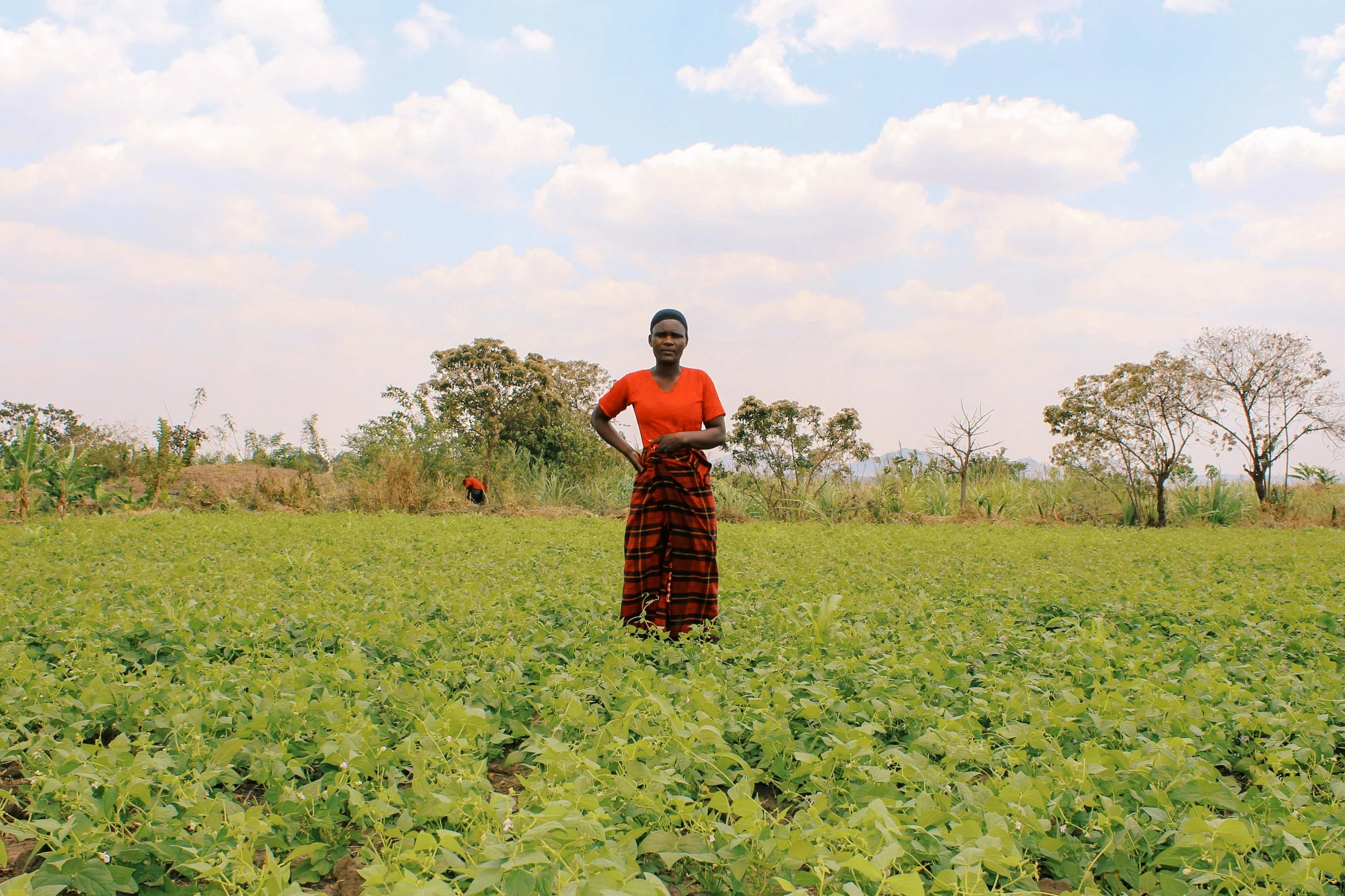
Roughly three quarters of Malawi's workforce depends on agriculture, most of it rain-fed. When chemical fertilizer becomes scarce or unaffordable (as it has repeatedly in recent years) families who depend on it feel it months later, at harvest. Farmers we train don't have to, thanks to a new strategy (that is actually old, if you think about it.)
One aspect is compost training in the field: dry grass, green waste, and manure become fertilizer.
In our natural farming trainings, farmers learn to build compost from dry grass, green waste, and manure. It feeds crops, holds water in the soil through dry spells, and is more reliable than a fertilizer supply chain. The materials are already on the farm, and the method stays with the farmer for life.
A beehive every farmer can use
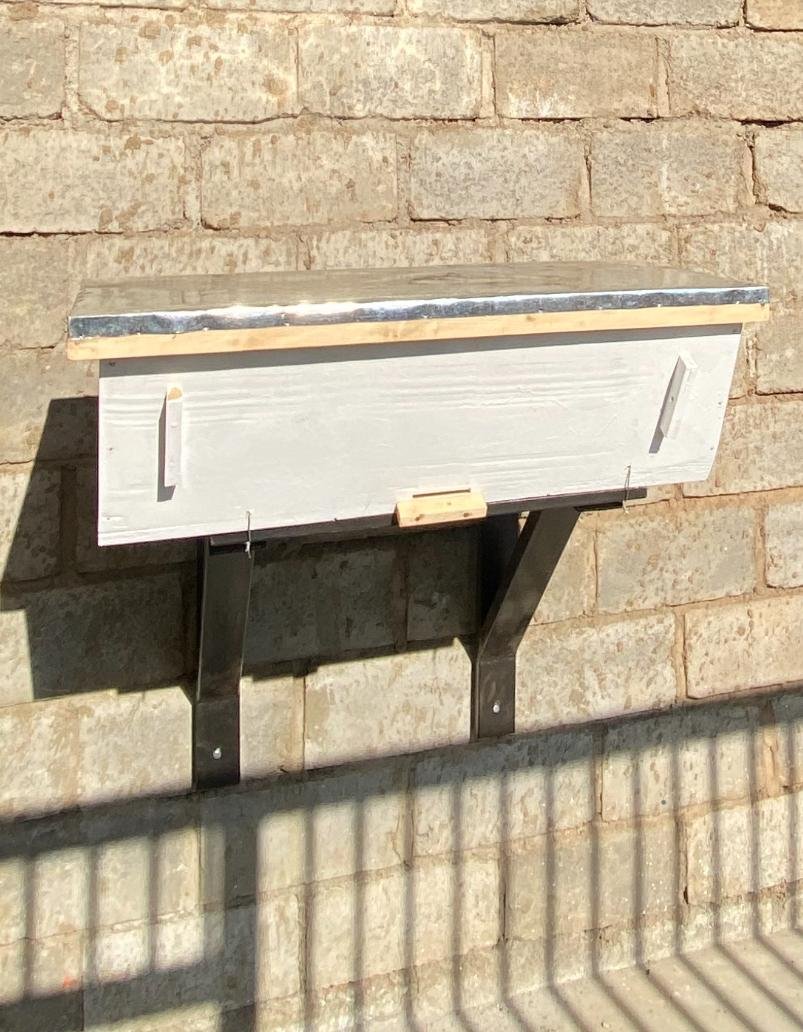
Walk past the demonstration plots and you'll find the newest addition to the program: top-bar beehives built to a design any farmer can copy. No frames, no fancy tools, no imported equipment — just timber, a metal roof, and a stand.
A top-bar hive at the demonstration farm means pollination for the crops — and sweet honey on the table.
The bees earn their keep twice. They pollinate the crops around them, lifting yields on the same fields the compost is feeding. And they produce honey which becomes food for the family and a product that sells well at local markets, giving farm families income that doesn't depend on the maize harvest.
Winter planting
Behind the hives, a second planting of a more robust maize is already in the ground. It's winter in Malawi, so growth is slow. But every seedling that comes up is food security for the season ahead — and proof that with healthy soil, the growing season doesn't have to end when the rains do.
Train one farmer. Strengthen a whole district.
The most important thing about all of this is that none of it stays on our demonstration farms. Each trained farmer becomes a teacher for the next village. Compost methods, hive designs, winter planting — they spread the way good ideas do in rural Malawi: neighbor to neighbor.
Simple tools. Local hands. Lasting harvests. That's the model — and it's working. Learn more about Orant's agriculture program by signing up for our newsletter.
