

Mount Mulanje and Lake Malawi
Malawi is a landlocked country in southeastern Africa with an estimated population of 21.2 million. It stretches about 520 miles from north to south and is bordered by Tanzania to the north and Lake Malawi to the east. Mozambique is to the east and south while Zambia borders the west. The country is often referred to as the “Warm Heart of Africa.” The capital city, Lilongwe, serves as a political center for the nation while the principal commercial center is in Blantyre.
Malawi has two main seasons, the dry season which takes place from May to October and the wet season lasts from November to April. These two seasons shape the agriculture, tourism and day to day life for Malawians. The wet season provides essential rainfall for the cultivation of crops while the dry season provides favorable conditions for travel and outdoor activities.
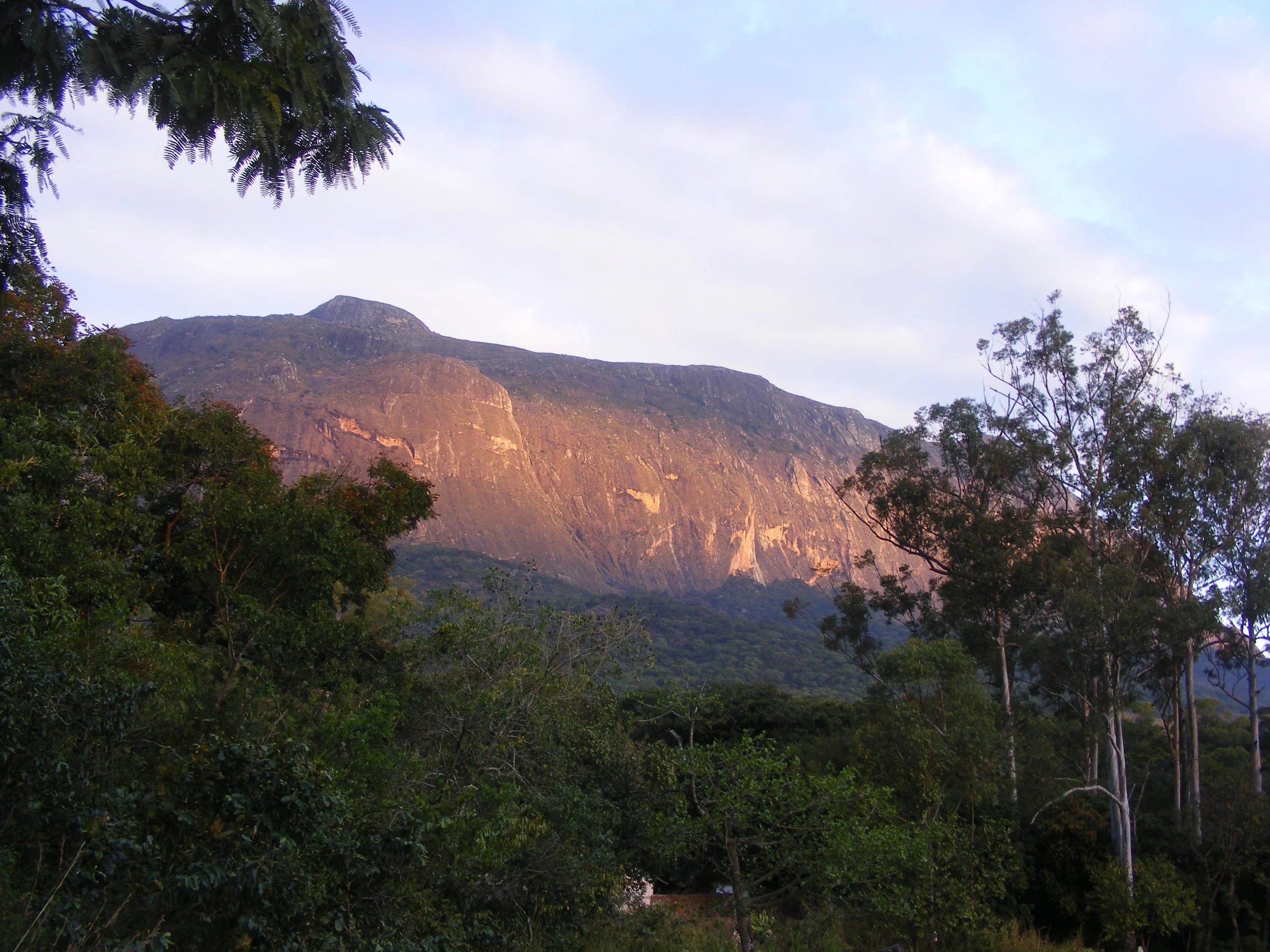
Western side of Mulanje Mountain in Sunset, seen from Likhubula Falls
Mount Mulanje is the biggest cultural landscape in Malawi; it rises above the surrounding plains as one of the most recognizable landmarks in the country. It is the highest peak in south-central Africa with a height of 9,850 feet. In 1927, Mount Mulanje was put under official protection. However, deforestation and degradation has led to a decline of the Mulanje cedar tree. In 2025, Mulanje was recognized as a world heritage site by UNESCO.
According to UNESCO, Mount Mulanje is “revered as a sacred place inhabited by gods, spirits, and ancestors.” The preservation of the mountain and its cultural significance is attributed to these beliefs.
The geological and hydrological features are connected through the belief systems and cultural practices of the Yao, Mang’anja and Lhomwe people. The people that make up these communities have sustained the sacredness of the mountain through rituals and traditions.
Another prominent landscape in Malawi is Lake Malawi. It is one of the largest freshwater lakes and among the deepest. Another name for Lake Malawi is Lake Nyasa or rather “Lake of Stars.” This nickname originated from the lights of fishing boats that light up the lake at night.
Lake Malawi National Park, where Lake Malawi is located, is recognized by UNESCO as a world heritage site like Mount Mulanje.
International recognition highlights the importance of preserving these natural and cultural landscapes in Malawi.
Together, Mount Mulanje and Lake Malawi demonstrate how the relationship between nature, culture and identity work in tandem. The ecological, historical and spiritual significance tied to these sites ensures that Malawi’s heritage is protected for generations to come.
If this glimpse into Malawi moved you, consider making a gift today. Every donation goes directly toward supporting the communities that call this remarkable country home.
Donate here