

In Kasese, Malawi, a child's health doesn't start when the child is born, or with their first words or first steps. It starts during pregnancy, because a mother's health and nutrition play a vital role in shaping how her child grows and develops.
When pregnant women, young children and adults with chronic diseases have access to adequate nutrition, it makes a difference in both maintaining health and supporting recovery. Likuni flour has become an important tool in meeting these nutritional needs and preventing malnutrition.
Likuni Phala is a fortified maize and soy flour that provides energy, protein and micronutrients. In Kasese, it is more than a food supplement. It helps improve maternal health, supports childhood development and aids in recovery.
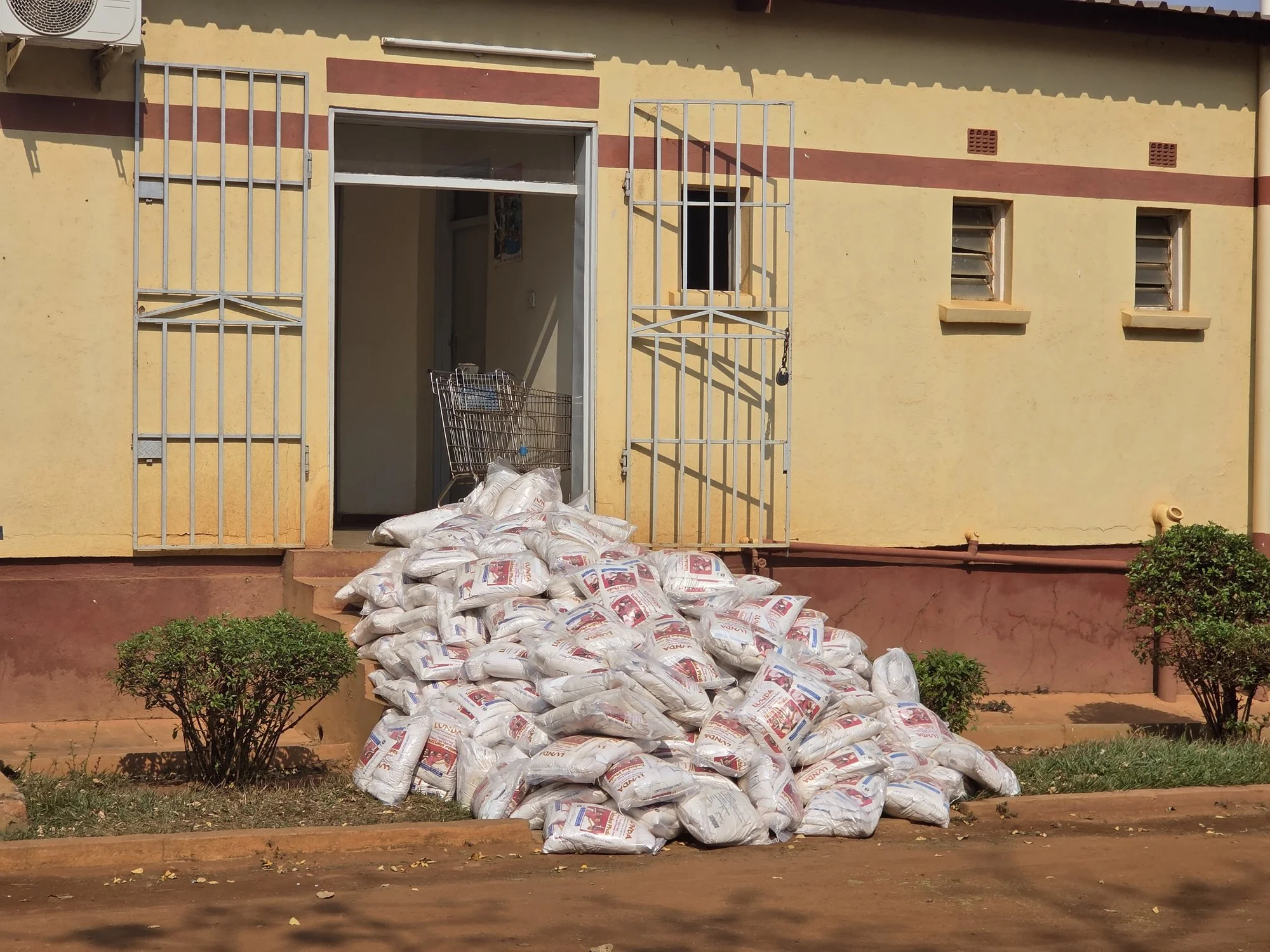
Bags of Likuni flour, a fortified maize and soy flour, in Malawi.
George Matapandeu, a clinician at Kasese Health Centre, explains, “Likuni flour supplementation is more than food assistance; it is an investment in preventive healthcare, nutrition recovery and the long-term wellbeing of the community.”
Health begins with pregnancy
During pregnancy, a woman's nutritional needs increase as she carries and nourishes a growing baby. Without proper nutrition, both mother and baby are at risk of complications, premature delivery and low birth weight.
Kasese Health Centre provides pregnant women with monthly Likuni flour supplements, along with sugar, antenatal follow-ups and nutritional counseling. The program focuses on providing adequate nutrition to prevent deficiencies before they can cause problems during pregnancy.
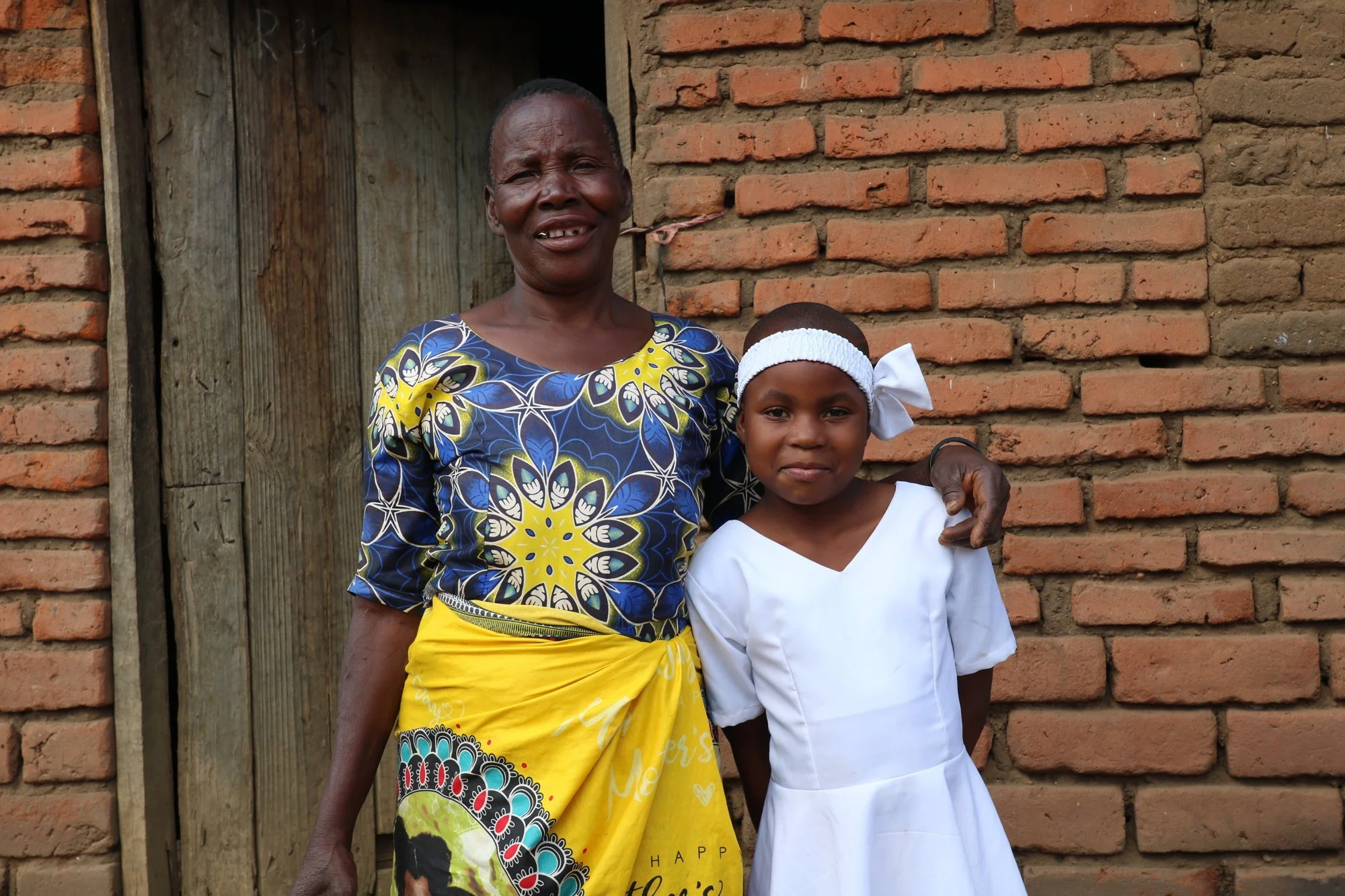
Mothers and children are at the center of Kasese Health Centre’s nutrition program.
Birth weight statistics reported by Kasese Health Centre reflect the impact of the Likuni flour intervention.
In 2023, Kasese recorded a low birth weight rate of 11%, the highest in the district and above both the district and national averages. After the introduction of Likuni flour and sugar supplements, the rate declined to 3.7% between August and December 2025. This past June, it was 2%.
The low birth weight cases that occurred during the intervention period involved babies whose mothers received antenatal care elsewhere before coming to Kasese to deliver.
Preliminary observations also suggest that infants whose mothers received supplements during pregnancy had healthier skin, improved skin turgor and better nutritional status in early infancy.
The importance of the first 1,000 days
The first 1,000 days, from conception through a child's second birthday, are one of the most critical periods in human development.
As George Matapandeu explains, “Early and sustained nutritional support is particularly important during the first two years of life, when adequate nutrition is essential for brain development and long-term physical growth.”
The benefits of early nutritional support last well beyond infancy. It influences cognitive development, school readiness and a child's ability to get an education, succeed and take part in the community.
Supporting those experiencing malnutrition
Likuni flour does more than support nutrition during pregnancy. It also serves people experiencing nutritional deficiencies.
Children under the age of five are especially at risk of malnutrition because of their rapid growth and increasing nutritional needs.
Through the Community-based Management of Acute Malnutrition program, children experiencing malnutrition are identified, assessed and enrolled in nutritional support. Likuni flour plays a critical role by providing additional energy and supporting nutritional rehabilitation.
Adults with chronic illnesses also receive nutritional assistance. Conditions like tuberculosis and HIV can increase nutritional needs while reducing appetite and interfering with how the body absorbs nutrients.
Keeping nutrition within reach
Despite these encouraging results, the need for nutritional assistance at Kasese Health Centre remains high. Expectant mothers, children experiencing malnutrition and adults with chronic illnesses all depend on this program.
To maintain it, Kasese Health Centre estimates it needs 1,900 kilograms of Likuni flour each month to support expectant mothers and patients experiencing malnutrition. Pregnant women also receive a 1-kilogram packet of sugar each month.
Without consistent access to these supplies, the program is at risk of interruptions that would affect pregnant mothers, children and adults with chronic diseases.
Likuni flour is an investment with effects across generations. Mothers are supported during pregnancy, and their children are born healthier. Children are able to recover from malnutrition.
The improvement in low birth weight at Kasese shows how much it matters to address nutrition early.
Continued access to nutritional support means more than having food available. It means healthier pregnancies, stronger childhood development and the support patients need to recover.
As George Matapandeu says, “Investing in nutrition today means healthier mothers, better-nourished children, stronger families and a healthier community tomorrow.”
Want more stories like this from Malawi? Sign up for our monthly newsletter.