

Malawi gets almost all of its rain in one season, from October to April. How much falls in those months goes a long way toward deciding how much food rural families will have for the rest of the year.
When the rains come
Malawi has one main rainy season, which runs from October through April, according to the country's Department of Climate Change and Meteorological Services. Light showers can start in October, but steady rain usually doesn't arrive until late November. The rains start in the south and move north.
January, February and March bring the most rain, and January is usually the peak. The season then tapers off, ending in late March or early April in the south and by late April in the rest of the country.
Why farmers depend on it
Agriculture employs about 64% of Malawi's workforce, according to the U.N. Food and Agriculture Organization, and the FAO lists the country's heavy reliance on rain-fed farming as one of the sector's biggest challenges. Most rural families grow maize and other crops mainly to feed themselves, then sell what is left.
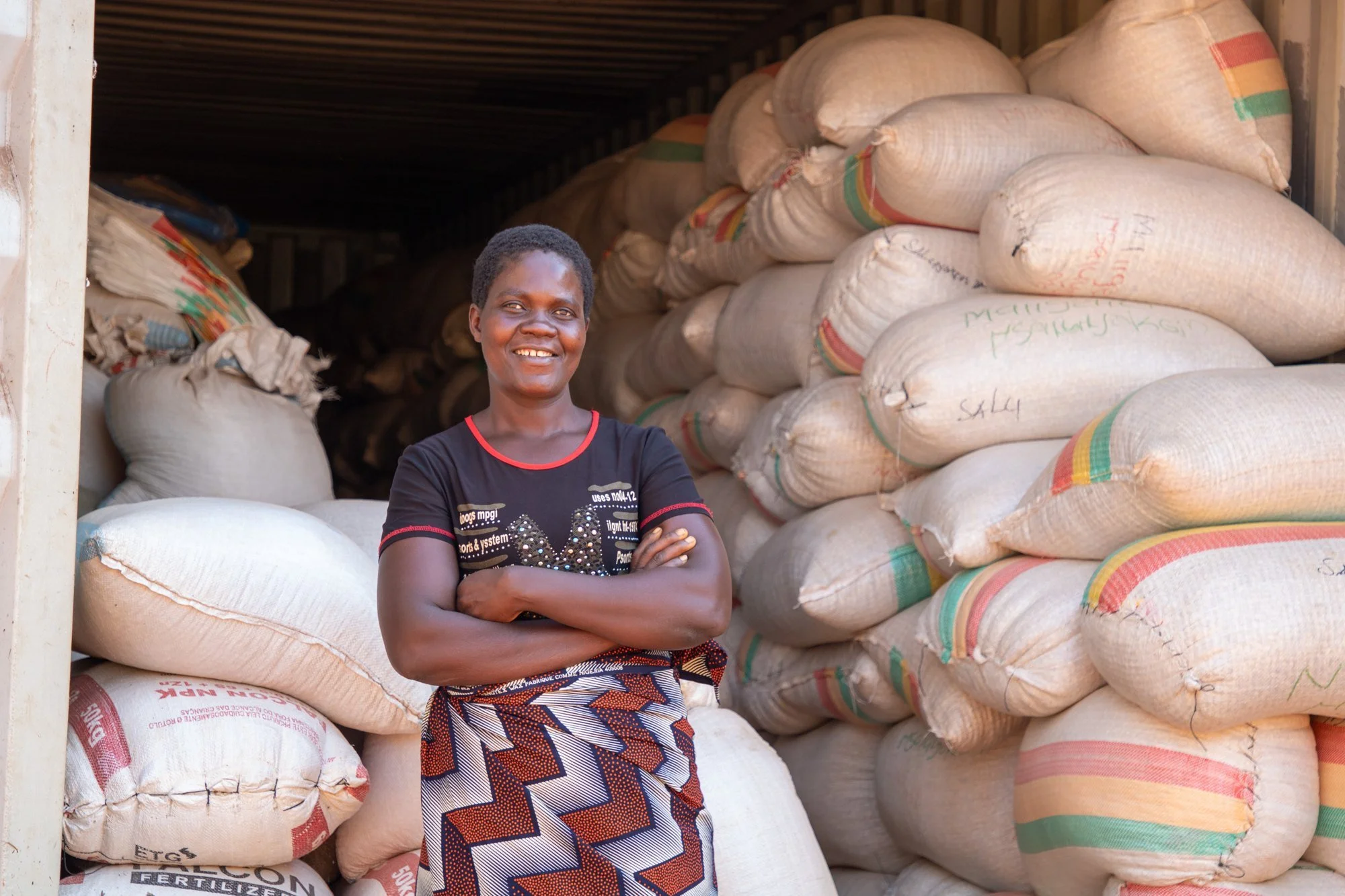
A farmer in Malawi stands in front of sacks of stored harvest. A good rainy season means more food to store for the dry months.
Planting starts with the first good rains in November. A season with steady rain means a bigger harvest, more food stored for the dry months and more to sell at market. A season that starts late or stops early can leave a family short of food before the next harvest.
The rains also refill Malawi's rivers, streams and dams, and they turn the brown, dusty landscape of the dry season green again.
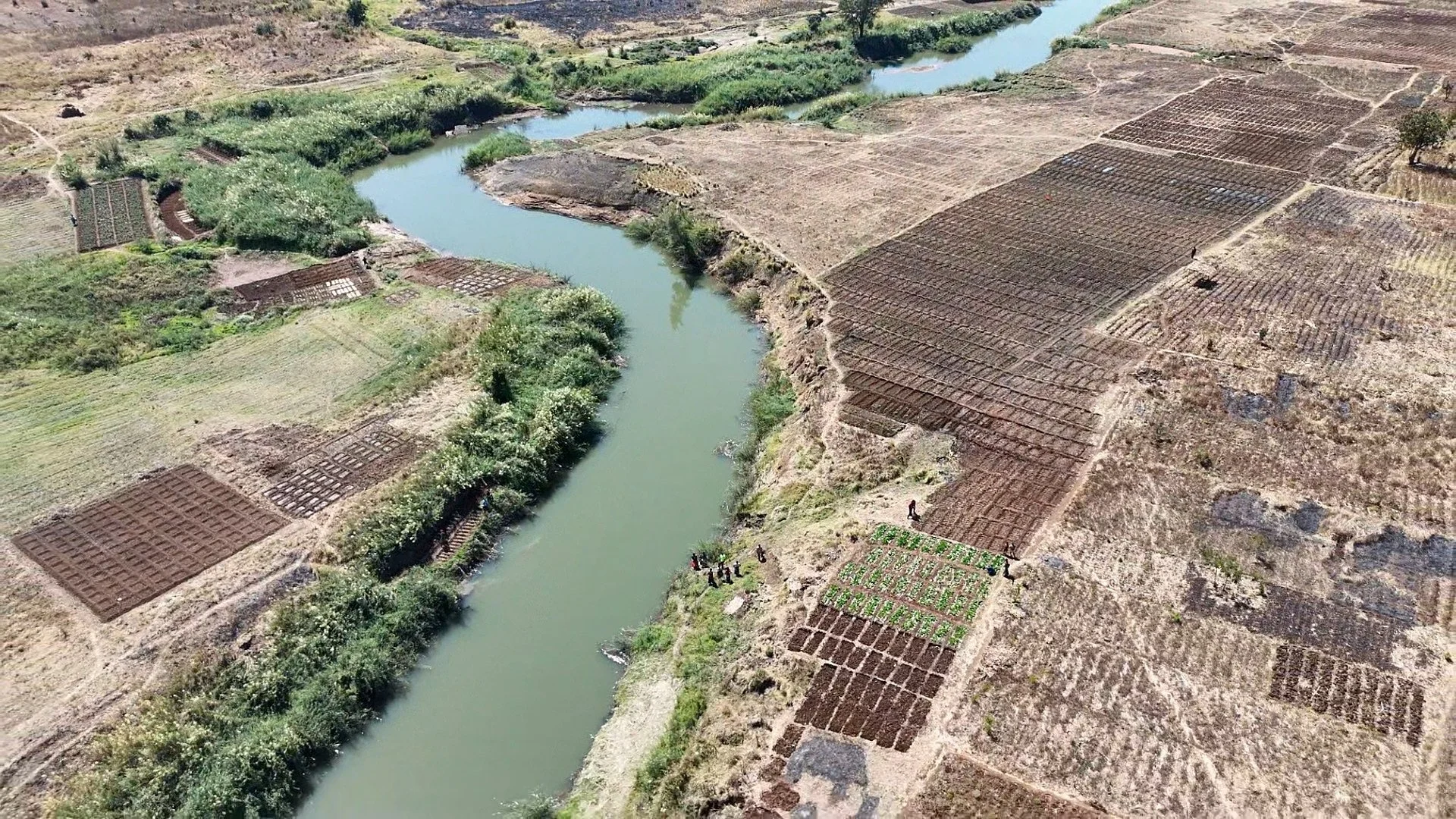
A river runs past farm plots in Malawi. The rainy season refills rivers, streams and dams across the country.
When it rains too much
Heavy or long-lasting rain can push rivers over their banks and wash out fields, homes and roads. Families may have to leave their homes, and floods can cut people off from clinics, schools and markets.
During the 2025-26 rainy season, floods and storms affected about 163,000 people in more than 36,000 households and killed at least 40, according to Malawi's Department of Disaster Management Affairs, as reported by the Nthanda Times. The department set up 14 displacement camps in Nkhotakota district alone.
Floods also make it harder to get help to the people who need it. During past flooding in southern Malawi, the U.N.-led Logistics Cluster reported that continued rains cut back on relief flights and that aid teams had to send 4x4 vehicles out just to find which roads were still open.
Flooding can also contaminate shallow wells, rivers and other open water sources, leaving families without safe water to drink.
Working through the season
Orant Charities Africa's agriculture program works with farming families to grow more food and earn more from their harvests.
"Seeing farmers become self-reliant … gives me a strong sense of purpose," said Gracious Msimuko, who has worked with Orant for nearly 10 years and manages the agriculture program.
Orant's clean water program brings wells closer to home, so families don't have to rely on open pits and rivers that floods can contaminate. This Christmas, Orant is raising money to bring clean water to the next village. Learn more and give at orantcharities.org/water.